Education
Selected project image
Lowell Elementary
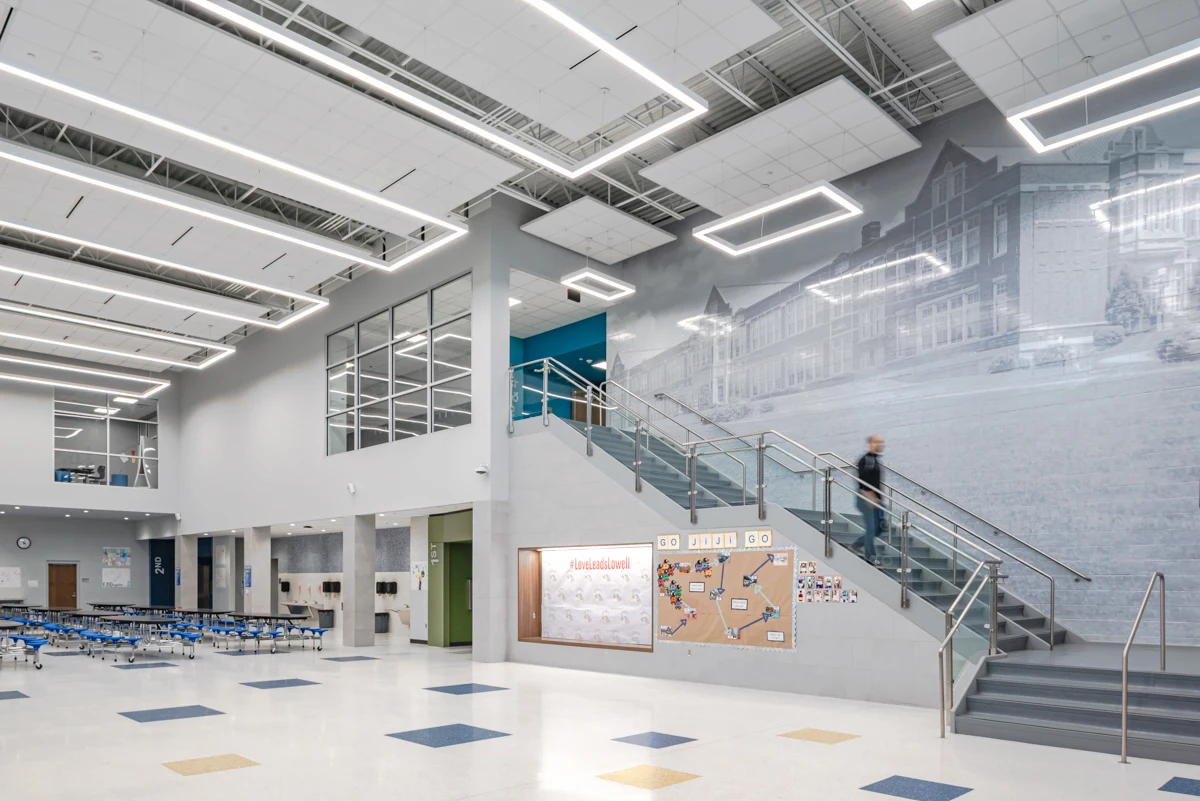
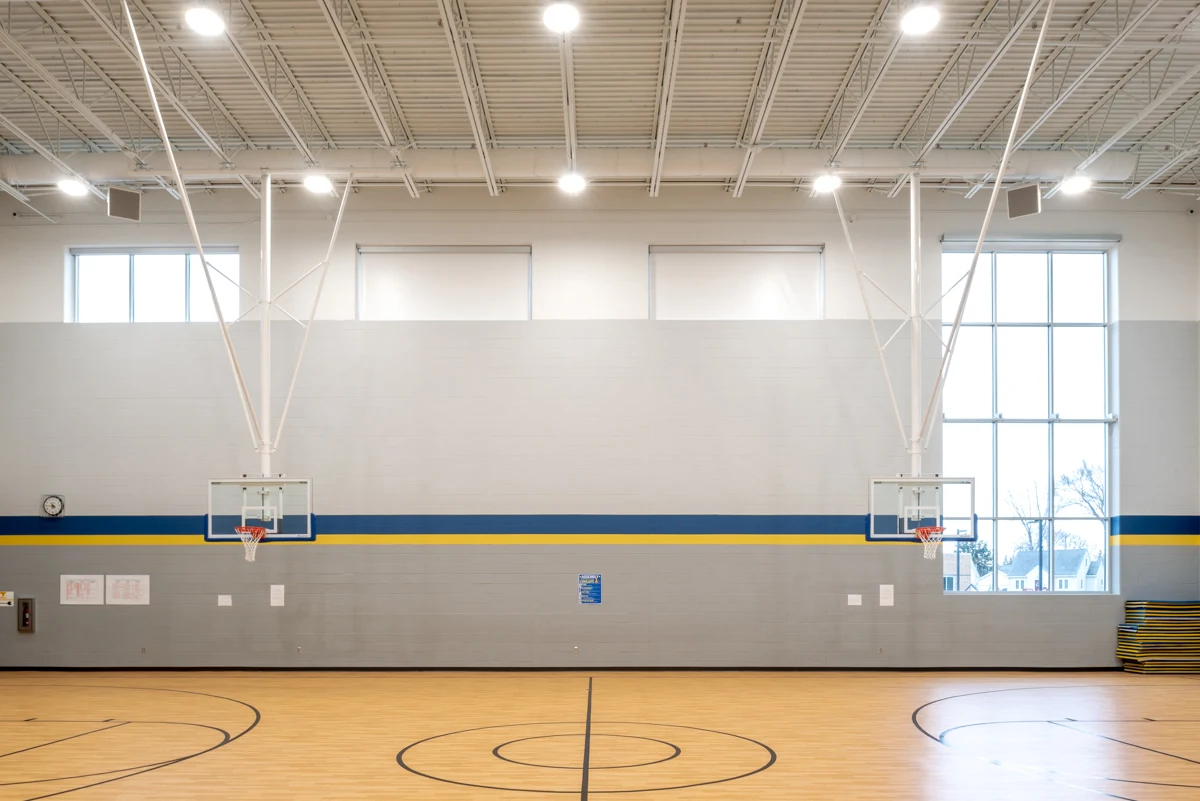
The new Lowell Elementary project is a replacement building that replaces a school that was rich with a history dating back nearly 100 years.

Selected project image
Lowell Elementary
The new Lowell Elementary project is a replacement building that replaces a school that was rich with a history dating back nearly 100 years.
Size
92,000
Construction Cost
$24,000,000
Completion Date
Fall 2022
Education
The new Lowell Elementary project is a replacement building that replaces a school that was rich with a history dating back nearly 100 years.
Project narrative
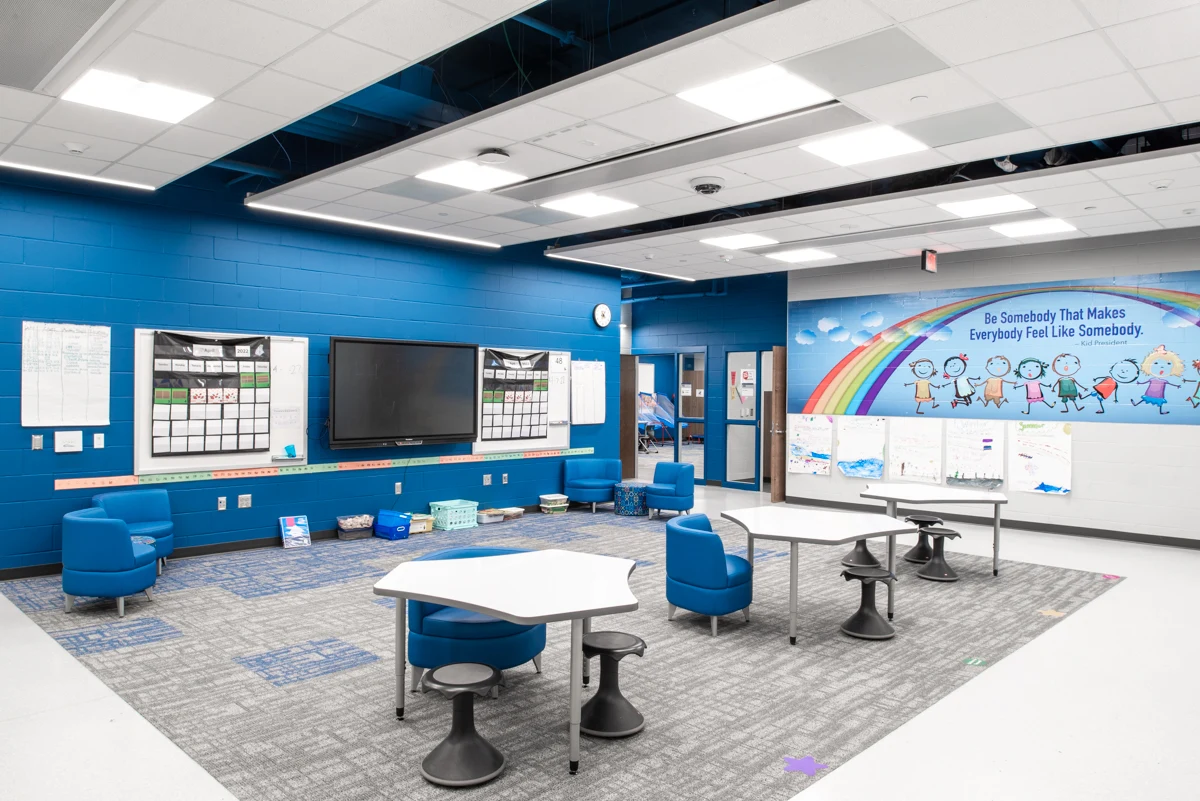
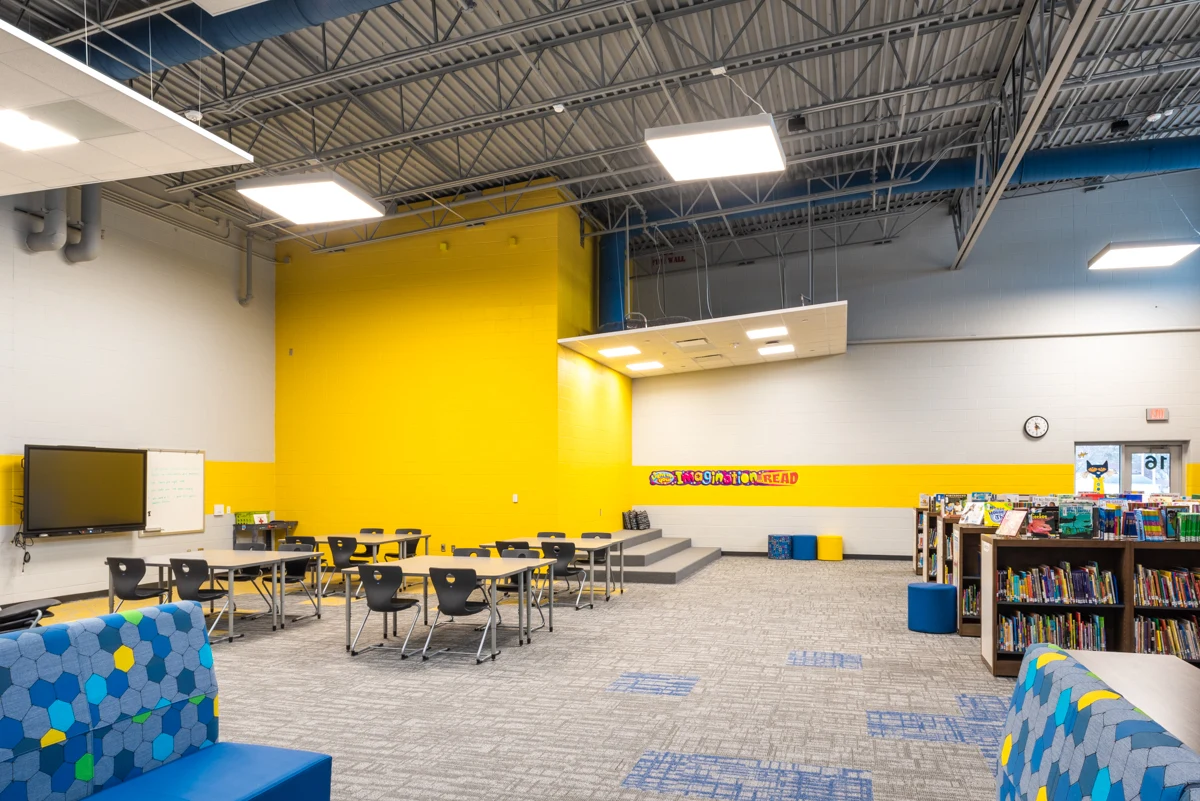
The new Lowell Elementary project is a replacement building that replaces a school that was rich with a history dating back nearly 100 years. Due to the aging condition of the original school, it was demolished to make way for a new replacement. The 92,000 SF building includes space for 450 elementary-aged students as well as a preschool wing that was not previously at this location.
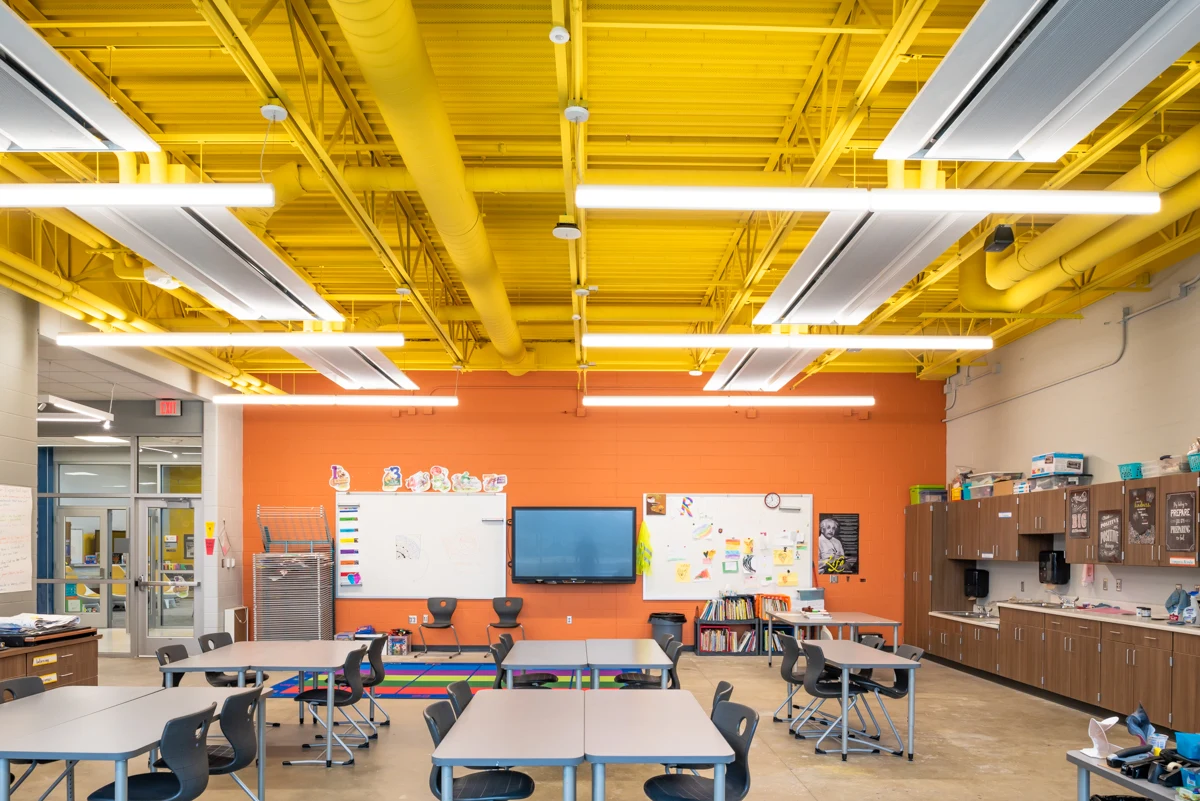
The mechanical system for the building utilizes the existing geothermal supply well from the original school where it uses a heat recovery chiller to supply simultaneous heating and cooling to the building with a natural gas condensing boiler for backup purposes in the event the well has maintenance issues. The terminal units in the building consist of chilled beams, sensible cooling fan-powered boxes, and typical VAV boxes with hot water reheat.
The ventilation system supplying primary air to the chilled beams consists of dual-wheel energy recovery ventilators (ERVs). These units also provide tight control over the building's humidity levels which make for great occupant conditions. Some parts of the school utilize a more standard rooftop air handler with a hot water VAV box arrangement with the hot water being supplied by the heat recovery chiller.
Overall, the system paired with the building envelope and lighting design was modeled to consume 49% less energy than the code baseline building. Other energy-efficient strategies include a digital lighting controls system with daylight harvesting, occupancy, and vacancy sensors as well as all LED lighting. The new school also features a fully integrated classroom amplification, paging, and intercom system which is a first for the district.
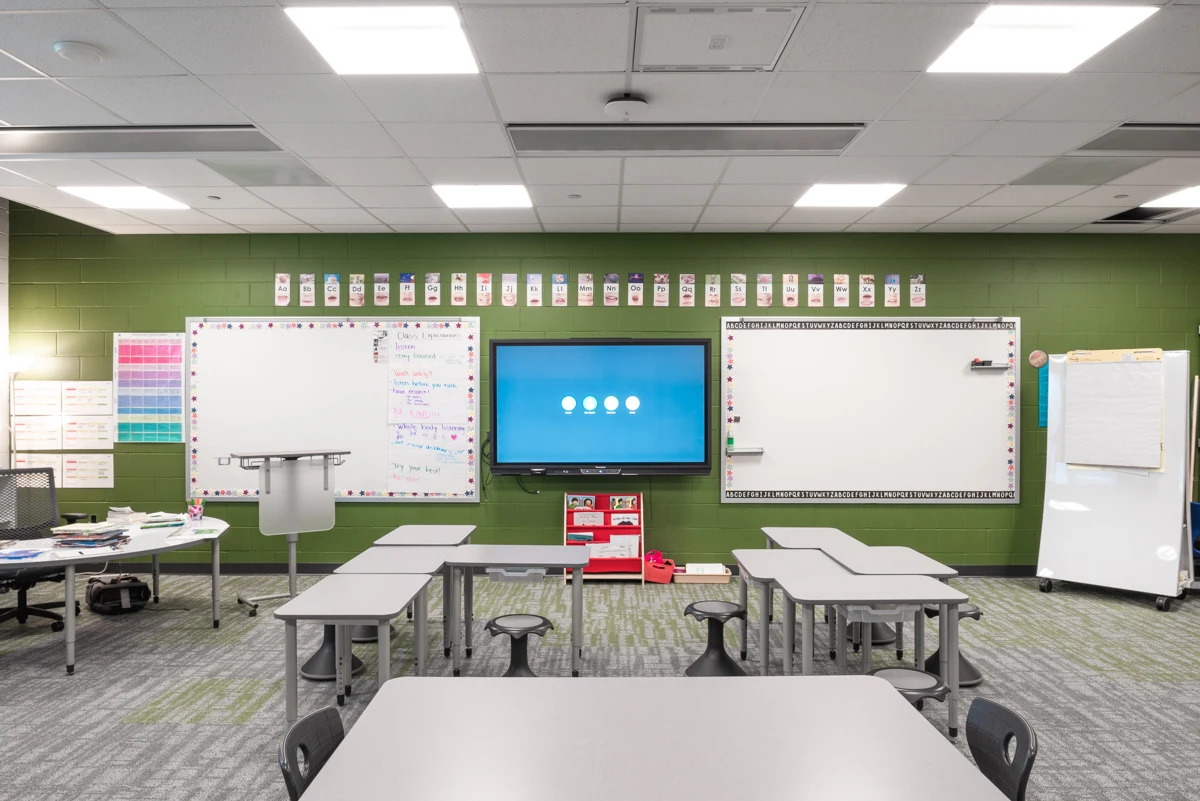
The classroom interactive smart boards are also connected to the integrated system for a fully interactive learning environment. The building's security system features card access at all exterior entrances and a fully secure entrance point for visitors. A security camera system also provides a watchful eye on the building.
Engineering service
Mechanical Engineering
Engineering service
Electrical Engineering
Engineering service
Technology Engineering
Engineering service
Plumbing Engineering
Engineering service
Lighting Design
Gallery
Related services
Related services show how technical scope connects to client objectives, design intent, operations, and the people who use the building.
Building Systems
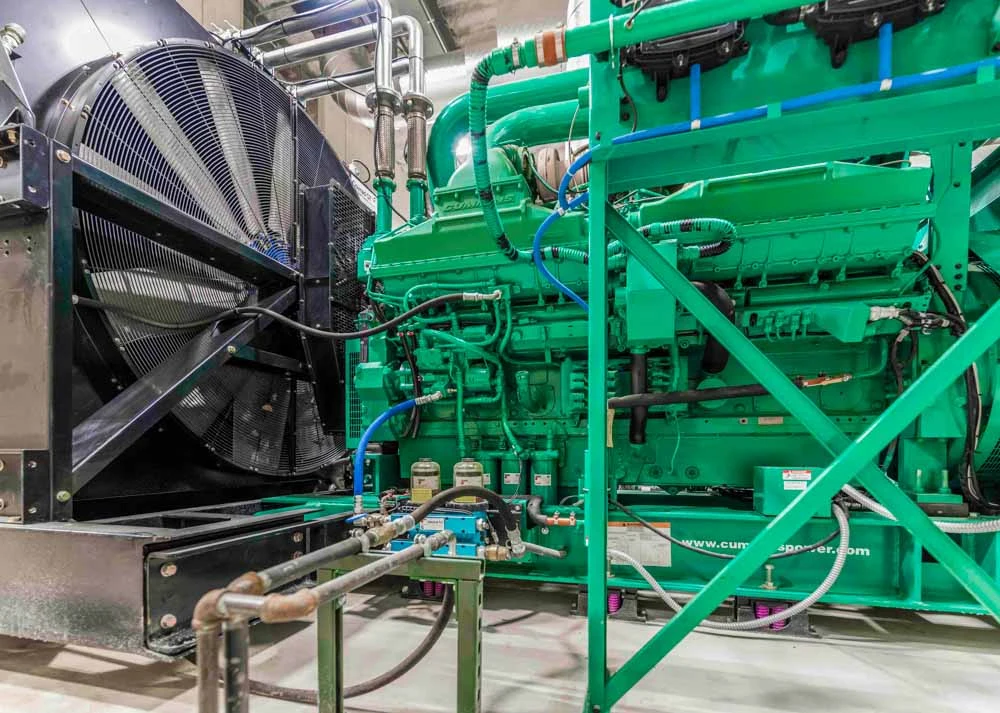
MODUSMechanical engineering that starts with client objectives and translates comfort, efficiency, safety, and maintenance needs into coordinated HVAC solutions.
Common project types
Power + Lighting
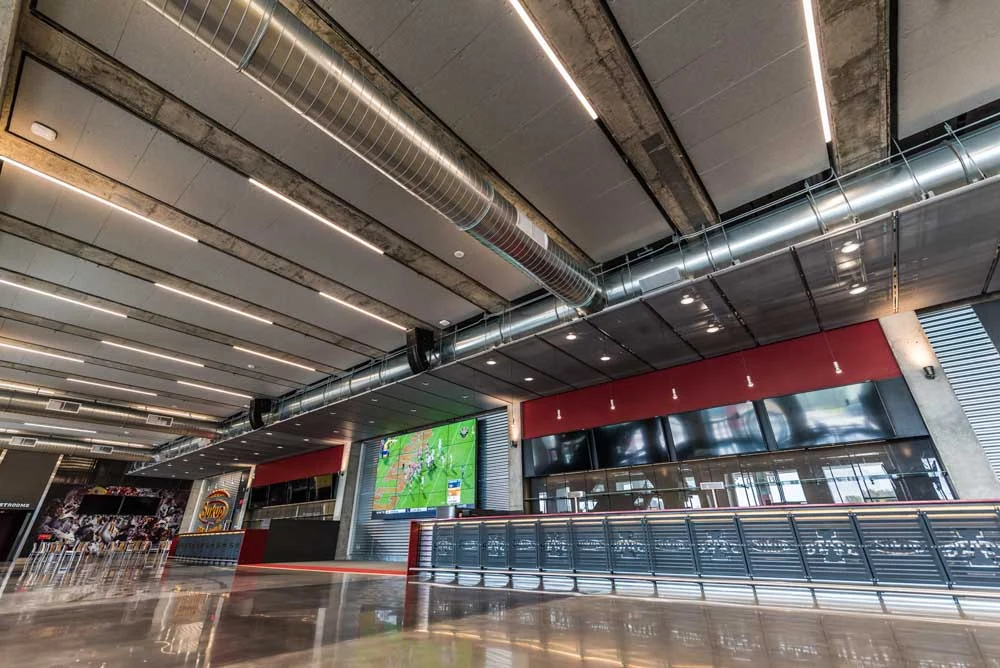
MODUSElectrical engineering that connects power, lighting, life safety, capacity, and future needs to the building's real use.
Common project types
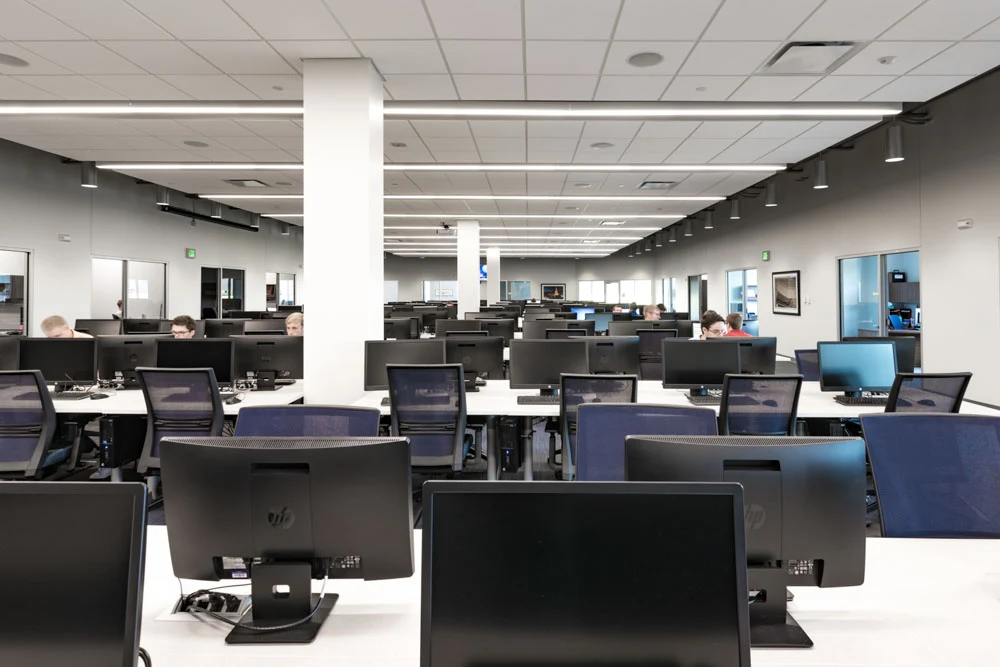
Connected Systems
MODUSTechnology engineering that plans the communications, security, audiovisual, and low-voltage infrastructure modern buildings need to support people and operations.
Common project types
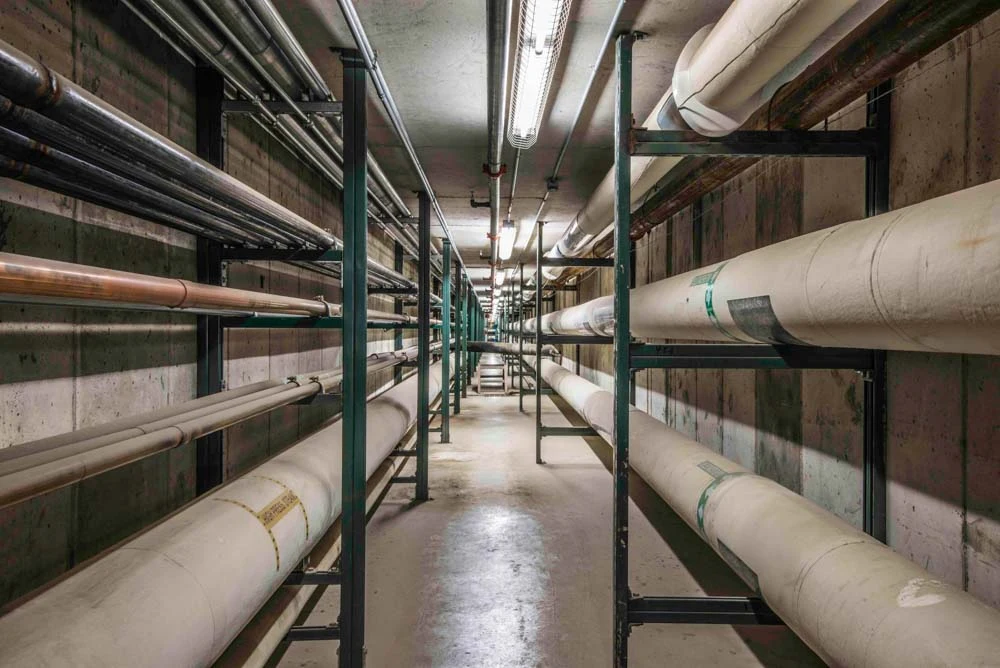
Water + Piping
MODUSPlumbing engineering that connects water, waste, storm, specialty piping, and maintainability to the way the building will be used and operated.
Common project types
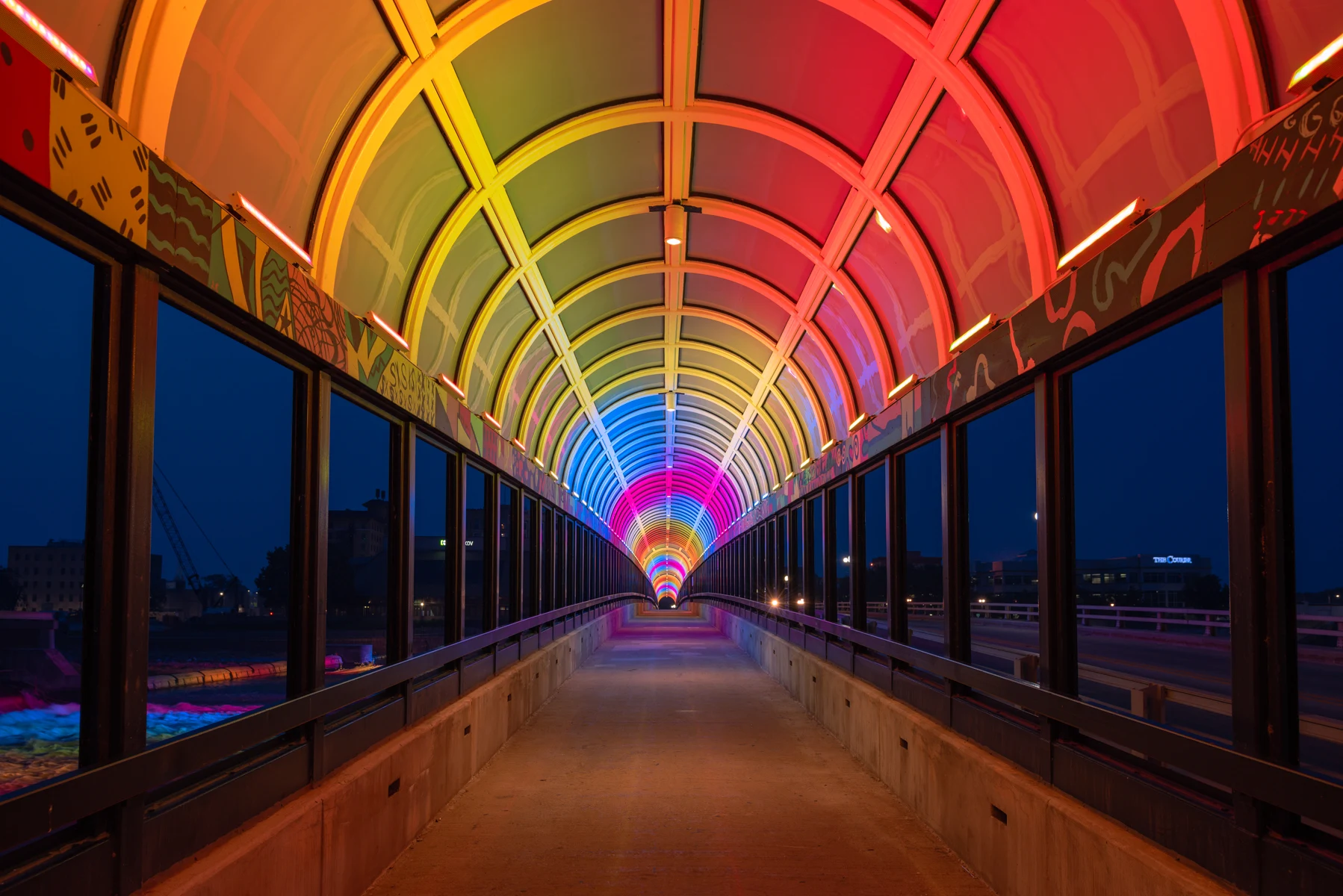
Lighting + Controls
MODUSLighting design that connects visibility, safety, atmosphere, controls, energy goals, and user experience with the larger building design.
Common project types
Next step
Lowell Elementary is a MODUS portfolio project in Waterloo, IA categorized as Education. The new Lowell Elementary project is a replacement building that replaces a school that was rich with a history dating back nearly 100 years. Due to the aging condition of the original school, it was demolished to make way for a new replacement.