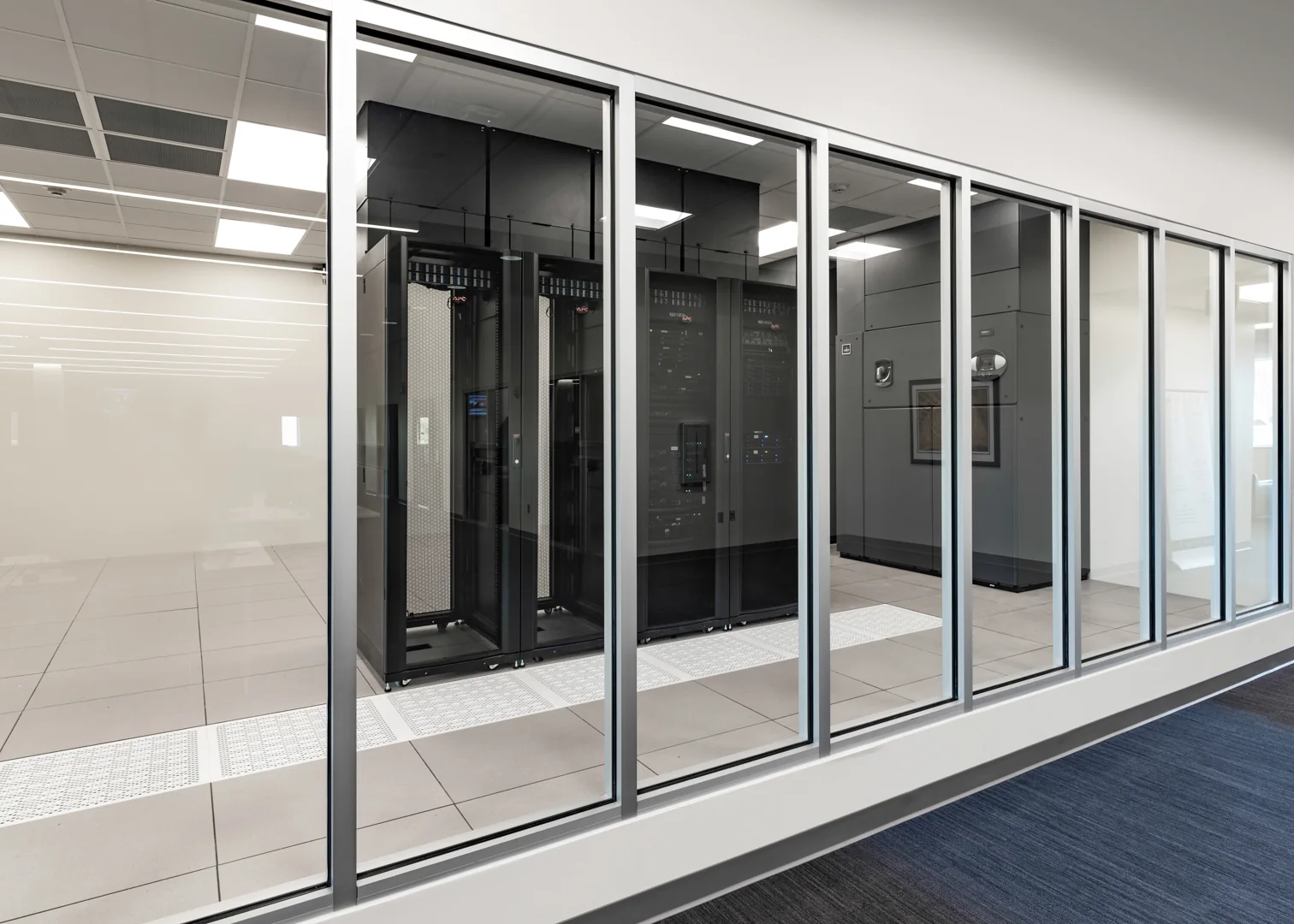
Critical cooling and environmental control
Dedicated cooling, ventilation, humidity control, controls, and heat-rejection systems planned around equipment loads, environmental requirements, energy use, and future capacity.

Data Centers + Critical Infrastructure
MODUS coordinates mechanical, electrical, technology, controls, and life-safety systems for data centers and other facilities where uptime, resiliency, and maintainability are essential.
Reviewed assignments
31
Core systems
Power + Cooling
Primary outcome
Resiliency
Documented experience
MODUS's reviewed record includes 31 data-relevant assignments involving dedicated data centers, critical power and cooling, enterprise server rooms, telecom headends, data rooms, and technology infrastructure within healthcare, government, financial, education, and broadcast facilities.
Explore MODUS's Data Center / Colocation ExperienceCommon project types
Data center engineering capabilities
Dedicated cooling, ventilation, humidity control, controls, and heat-rejection systems planned around equipment loads, environmental requirements, energy use, and future capacity.
UPS and bypass systems, standby generation, distribution, transfer equipment, overcurrent protection, and capacity planning coordinated around the owner's uptime and maintenance requirements.
Server-room and telecommunications pathways, equipment spaces, structured cabling, access control, monitoring, and related low-voltage systems integrated with the building design.
Existing-system assessments, equipment replacements, renovation planning, and phased implementation strategies that address legacy conditions and the need to keep critical operations online.
Engineering approach
01
Establish uptime expectations, redundancy, equipment loads, environmental criteria, maintainability, security, growth, schedule, and budget before systems are selected.
02
Bring mechanical cooling, electrical power, controls, fire protection, technology, and equipment requirements into one coordinated engineering strategy.
03
Develop phasing, temporary-service, replacement, access, and future-capacity strategies around the owner's operating environment and project constraints.
Related projects
These portfolio projects demonstrate resilient power, critical cooling, redundancy, technology infrastructure, and continuity-of-operations planning.
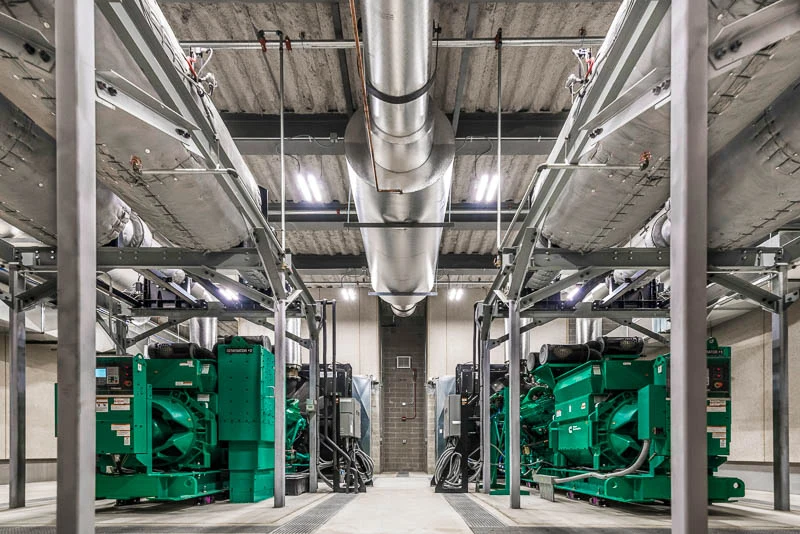
A phased energy-center overhaul added 4.5 MW of generation, 13.8 kV distribution, critical cooling, and controls without interrupting hospital operations.
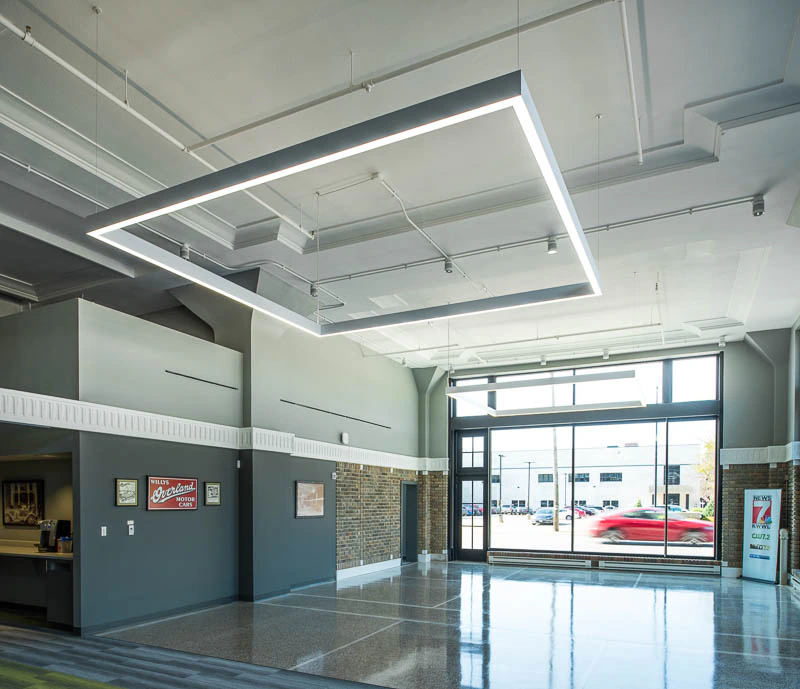
Coordinated building systems and 100 percent emergency-generator backup help keep the broadcast studio and its supporting services online.
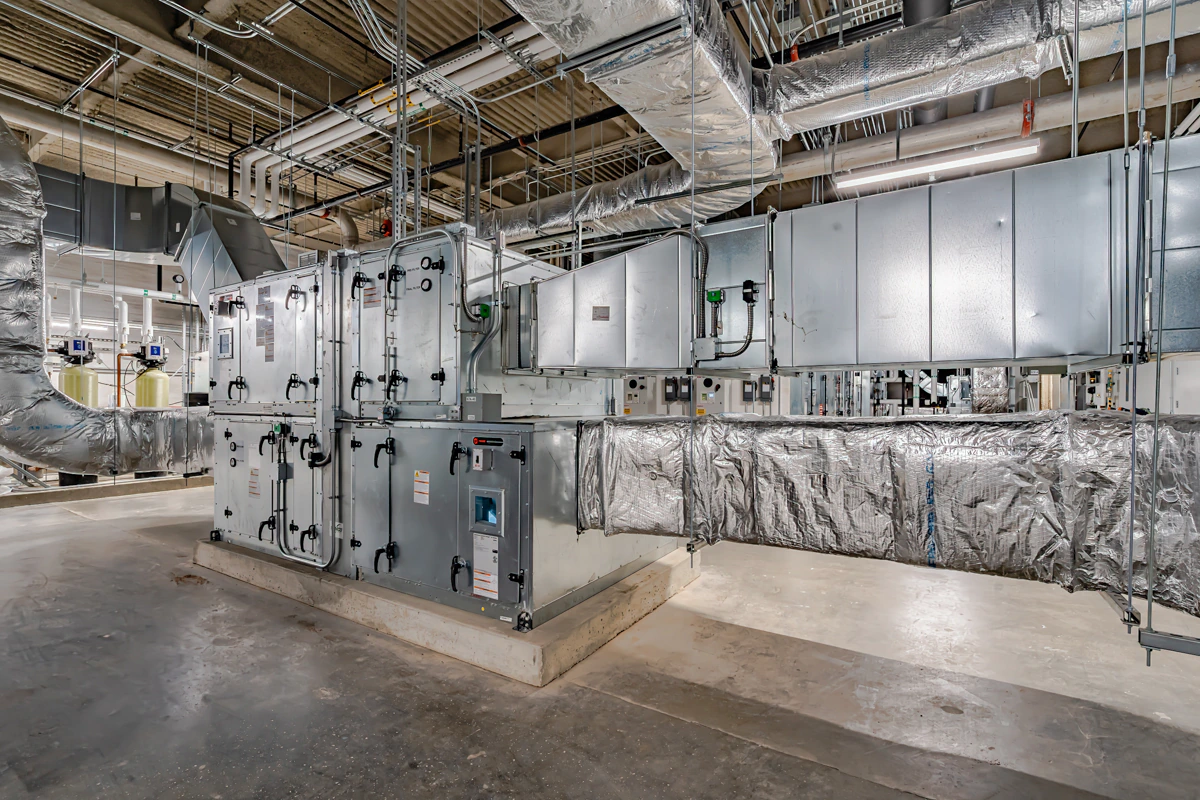
Multiple levels of system redundancy support secure court operations, emergency needs, and technology infrastructure within the federal facility.
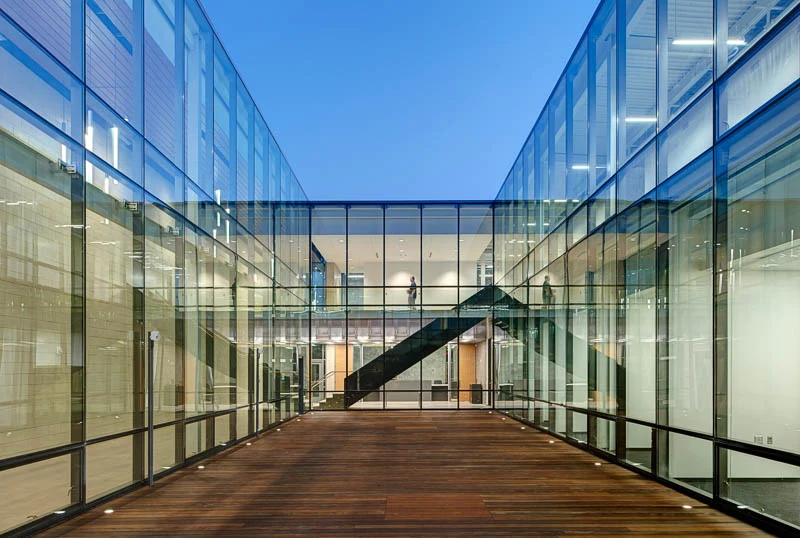
Resilient mechanical, electrical, and technology infrastructure was planned for operational continuity and recovery at this multi-use municipal facility.
Data center engineering FAQ
Early answers help align technical systems with uptime, phasing, maintainability, capacity, and the owner's operating expectations.
MODUS provides coordinated mechanical, electrical, technology, controls, plumbing, and fire-protection engineering for data centers and critical technology environments. Scope can include critical cooling, humidity control, UPS and bypass systems, emergency generation, electrical distribution, server and telecom rooms, security, monitoring, studies, and equipment replacement.
Yes. Much of MODUS's documented experience involves existing facilities, focused studies, equipment replacements, and phased renovations. The engineering approach accounts for legacy systems, available capacity, maintainable access, construction sequencing, and the need to preserve ongoing operations.
The appropriate level of redundancy begins with the owner's operational requirements and risk tolerance. MODUS then coordinates cooling, power, controls, technology, maintenance access, and phasing around those expectations rather than applying the same solution to every facility.
No. MODUS's experience also includes enterprise server rooms, telecom headends, data rooms, broadcast facilities, healthcare infrastructure, government facilities, and other environments where reliable power, cooling, connectivity, and continuous operation are essential.
Outcome
MODUS helps project teams turn uptime, resilience, environmental control, maintainability, and future-capacity requirements into a coordinated data center engineering plan.